

Your first seller says yes. They want you to market their apartment, and you are ready to post it on the portals tonight. Before you do, there is one document that decides whether that listing is legal: RERA Form A. New agents in Dubai often treat it as paperwork to rush through, but it is the foundation of every ready-property sale listing you will ever handle. This guide explains what Form A is, how it works today, and the habits that keep you compliant and trusted.
What Is RERA Form A?
Form A, now usually called Contract A, is the marketing agreement between a property owner (the seller) and a licensed real estate broker. It is one of the standard RERA contracts used in Dubai, and it gives the broker the owner’s authority to market a specific ready property for sale.
It records the key terms of the relationship, including:
- The owner and property details, matched to the title deed
- The brokerage and the agent handling the listing
- The agreed commission
- The contract duration
- Whether the listing is exclusive or non-exclusive
Think of it as your permission slip. Without it you are not representing the seller in any official sense, no matter what was agreed over a phone call or WhatsApp.
How Form A fits with the other RERA forms
Form A is the first step in a chain. Form B is the agreement between a buyer and their broker. Form F is the memorandum of understanding signed between buyer and seller once a price is agreed. Form I is used between two brokerages when they cooperate on a deal and share commission. Knowing where Form A sits helps you understand why skipping it causes trouble later in the transaction.
Why Form A Matters: The Advertising Permit Link
The biggest reason Form A matters in practice is advertising. In Dubai, a broker needs an advertising permit from the Dubai Land Department (DLD) through the Trakheesi system before publicly marketing a property. For a ready property for sale, the Trakheesi permit application asks for the number of the approved Contract A between the owner and the broker.
In simple terms: no approved Form A, no permit. No permit, no legal advert. That applies to property portals, social media posts, printed material and other public channels. Compliant adverts carry the permit number and a QR code that anyone can scan through the DLD’s Madmoun service to check which company is authorised to advertise the property.
For rentals and off-plan property the authorisation works differently (for example, a landlord or developer NOC), so always confirm the current requirement for the listing type with your brokerage’s compliance team.
How Form A Is Created Today
Form A is no longer a paper form that you print, sign and scan. It is created and approved electronically through DLD channels, such as the Dubai REST app and the DLD broker systems, using a registered broker account. The general flow looks like this:
- Collect the documents. You need the title deed details and the owner’s identification. If there are joint owners, each one usually needs to approve.
- Agree the terms. Discuss commission, duration and exclusivity with the owner before you enter anything. Surprises at the approval stage damage trust.
- Enter the contract. Your brokerage creates the contract in the system with the property and owner details.
- Owner approval. The owner reviews and approves the contract digitally.
- Apply for the permit. The approved contract number is used in the Trakheesi permit application. Once the permit is issued, you can start marketing.
Procedures and fees can change, so check the latest guidance on the DLD website or with your brokerage rather than relying on old screenshots in agent groups.

Exclusive vs Non-Exclusive Listings
Form A can be signed on an exclusive or non-exclusive basis. Under an exclusive agreement, one brokerage is the only one authorised to market the property for the contract period. Under a non-exclusive agreement, the owner can work with several brokerages at once.
Exclusives are worth more to you because they protect your time and marketing spend. Owners agree to them when they trust you. That trust usually comes from a clear pricing conversation, a written marketing plan, and proof that you follow up consistently. If you are still building those skills, structured real estate training for Dubai agents can shorten the learning curve.
Common Form A Mistakes New Agents Make
1. Advertising before the permit is issued
This is the most common and most expensive mistake. Posting first and sorting the paperwork later is exactly what the regulator enforces against. Wait for the permit.
2. Details that do not match the title deed
Typos in unit numbers, areas or owner names cause rejections and delays. Copy details from the title deed, not from a WhatsApp message.
3. Vague commission conversations
Agree the commission clearly and early. A seller who is surprised by the number in the contract may refuse to approve it.
4. Forgetting the expiry date
Every Form A has a duration. Track it, and talk to the owner about renewal well before it ends, especially if the property is still on the market.
5. Losing track of the listing after signing
Signing is the start, not the finish. Owners judge you on updates: viewings done, feedback received, price advice. A simple system for reminders and notes helps. A CRM built for Dubai agents lets you log each owner, the contract dates and every follow-up in one place.
A Simple Form A Checklist
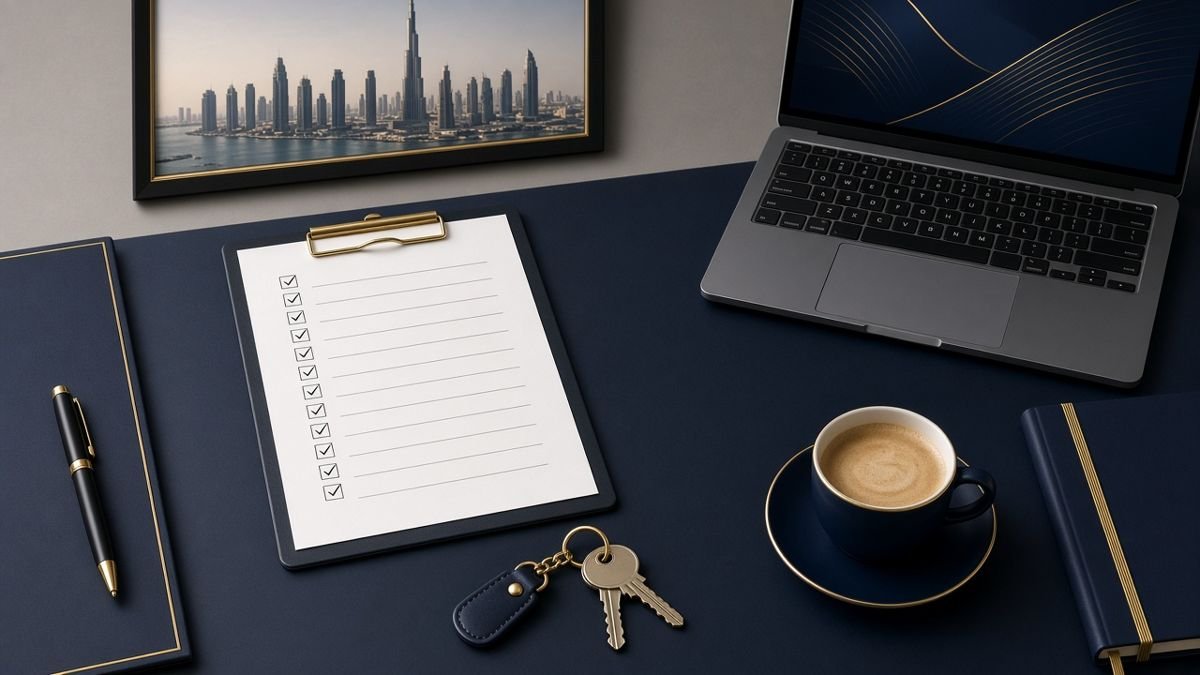
- Title deed details confirmed
- Owner ID verified, all joint owners identified
- Commission, duration and exclusivity agreed in writing before entry
- Contract approved by the owner in the DLD system
- Trakheesi permit issued before any public advert
- Permit number and QR code included on every listing
- Expiry date added to your calendar or CRM with a renewal reminder
Turning Form A Into Better Seller Relationships
The agents who win more listings use the Form A meeting as a chance to show professionalism. Walk the owner through each term, explain why the permit protects them from unauthorised adverts, and share your marketing plan in the same meeting. Owners remember agents who make the process feel safe and clear.
Getting that first meeting still depends on prospecting. If picking up the phone to owners feels hard, a focused cold calling course can help you build scripts and confidence. And if you are just starting out, our step by step guide on how to become a real estate agent in Dubai covers licensing and the first months on the job.

Frequently Asked Questions
Is RERA Form A mandatory in Dubai?
For marketing a ready property for sale, yes in practice. The approved Contract A number is required for the Trakheesi advertising permit, and you cannot legally advertise the property publicly without that permit.
Can I download a blank Form A PDF?
Form A is created electronically through DLD systems such as the Dubai REST app and broker platforms, so a downloaded PDF template is not a substitute for the approved electronic contract.
Is Form A used for rentals or off-plan property?
Form A is for ready properties for sale. Rentals and off-plan listings use other authorisations, such as a landlord or developer NOC. Check the current requirement with your brokerage.
What is the difference between Form A and Form F?
Form A is between the seller and their broker and covers marketing. Form F is the memorandum of understanding between buyer and seller once they agree on the deal.
Who signs Form A?
The property owner (and each joint owner) and the licensed brokerage. The owner approves it digitally through the DLD system.
This article is general guidance for agents and is not legal advice. Always confirm current DLD and RERA requirements before acting.